


-
 +86 18924678741
 -
 sales@hjlcharger.com
 -
 Shenzhen City, Guangdong Province, China
Electric car charging stations commercial refer to commercial stations that provide charging services specifically for electric vehicles. They are usually built in public places, such as shopping malls, parking lots, highway service areas, etc., to facilitate electric vehicle users to charge. The following is some introduction to commercial electric car charging stations:
1. Charging station types and facilities
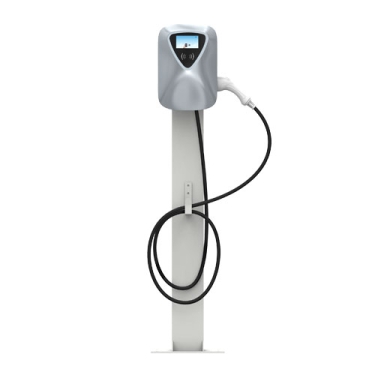
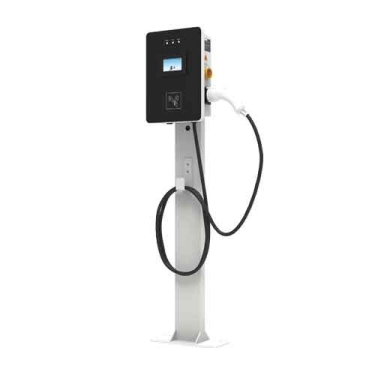
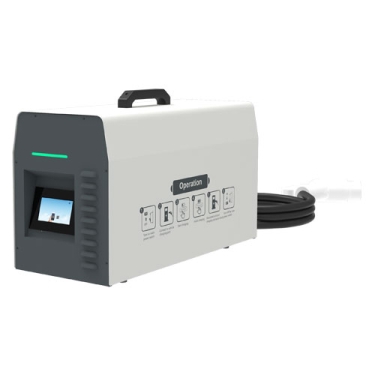
1.1. Commercial electric car charging stations mainly include two types: fast charging stations and slow charging stations. Fast charging stations are usually equipped with high-power DC chargers, which can quickly replenish the power of electric vehicles in a short time, suitable for long-distance travel or users who are in urgent need of power replenishment. Slow charging stations are mainly equipped with AC chargers, which have a relatively slow charging speed, but are more suitable for use at night or for long-term parking.
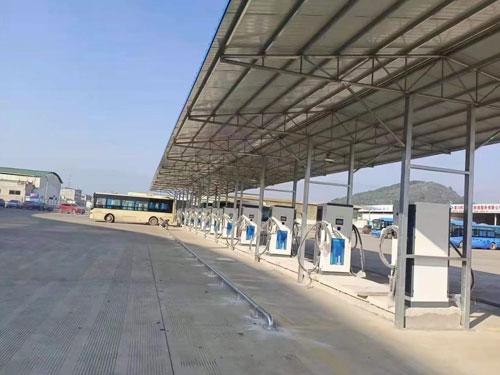
1.2. In terms of charging station facilities, in addition to chargers, there will also be user service areas, providing comfortable rest seats, free wireless networks, televisions, newspapers and magazines and other entertainment facilities, as well as catering services, such as cafes, convenience stores, etc., to meet users' rest and entertainment needs during charging.
2. Business models and profit paths
The business models of commercial electric car charging stations are diverse, mainly including the following:
2.1. Operator-led model: The operator is responsible for the construction, operation and maintenance of the charger, and charges fees by providing charging services to electric vehicle users. This is the most common business model in the current market.
2.2. Car manufacturer-led model: Car manufacturers build chargers through themselves or their partners to provide more convenient and efficient charging services. This model helps car manufacturers better understand user needs and provide more accurate charging services.
2.3. Policy subsidy model: The government encourages the construction and operation of chargers by providing financial subsidies, tax incentives, etc. This helps to reduce the construction and operation costs of chargers and increase the popularity and utilization rate of chargers.
2.4. Value-added service model: Operators gain revenue by providing other value-added services on the basis of providing charging services. These value-added services can include advertising, vehicle maintenance, insurance sales, etc.
In terms of profit channels, in addition to the basic charging service fee, commercial electric car charging stations can also achieve profits through advertising revenue, site rental revenue, retail revenue and other methods.
If you want to know more about "electric car charging stations commercial", you can consult us online or by email (sales@hjlcharger.com).
A successful conclusion!Looking forward to the nex...
Hongjiali New Energy National
According to the General Office of the State Counc...
Electric charging stations greece: the battle for ...
Recently, I talked to my friends about buying a tr...
The construction and development of electric vehic...
A CCS2 charger is a special kind of charging plug ...
The process of using an electr
Someone asked, what size of cable is needed for a ...
Whenever you need us, we're here for you. --- Contact us for all your support needs, from technology, general queries to information support, etc. Our hotline numbers and e-mail are open 24hx7d for your needs.
 +86 18924678741
sales@hjlcharger.com
Shenzhen City, Guangdong Province, China
+86 18924678741
sales@hjlcharger.com
Shenzhen City, Guangdong Province, China