

-
 +86 18924678741
 -
 sales@hjlcharger.com
 -
 Shenzhen City, Guangdong Province, China
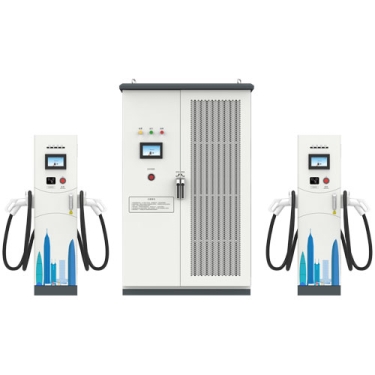
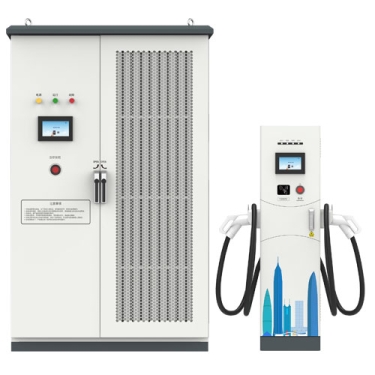
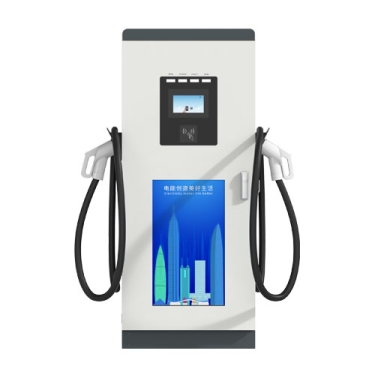
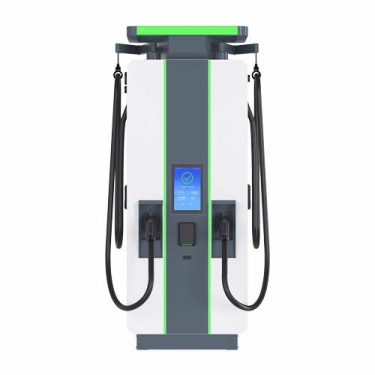
There are generally three types of EV chargers, often referred to as Level 1, Level 2, and Level 3 chargers. Here's an overview of each ev charger type.
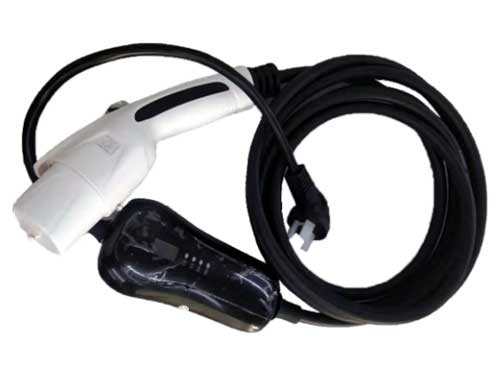
1. Level 1 electric vehicle charger
Level 1 EV chargers use a standard 220-volt AC household outlet and provide charging through the vehicle's on-board charger. It typically provides 2 to 3 miles of range per hour of charging, making it suitable for overnight charging or for plug-in hybrid electric vehicles (PHEV) with smaller batteries. Level 1 EV chargers are the slowest method of charging an electric vehicle (EV) but do not require any special charging equipment other than the charging cable provided with the vehicle.
2. Level 2 electric vehicle charger
Level 2 EV chargers use 220 or 240 or 380 volt AC power and are much faster than Level 1 EV chargers, providing 10 to 60 miles of range per hour of charge, depending on vehicle and charger specifications. Level 2 EV chargers are commonly found in homes, workplaces, and public charging stations.

3. Level 3 electric vehicle charger
Level 3 EV chargers, also known as DC fast chargers (DCFC) or fast chargers, provide direct current (DC) charging at much higher power levels than Level 1 or 2 EV chargers. Electric vehicles can be charged up to 80% in 20 to 60 minutes, depending on the vehicle’s battery capacity and the charger’s power output. Level 3 EV chargers are commonly found along highways and in urban areas for long trips or quick charging.
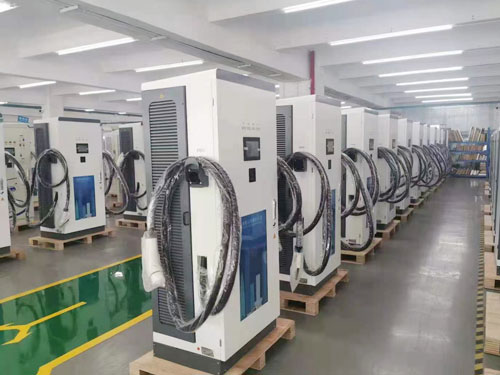
In addition to the different types of electric car chargers, there are also different car charger connectors. Below are the different connector types in North America.
SAE J1772
This plug type is primarily used for Level 1 and Level 2 AC charging in North America. It is the standard connector for most electric vehicles (except Tesla) and charging stations in the United States and Canada. If you have an electric car that's not a Tesla in North America, it probably supports this charging standard.
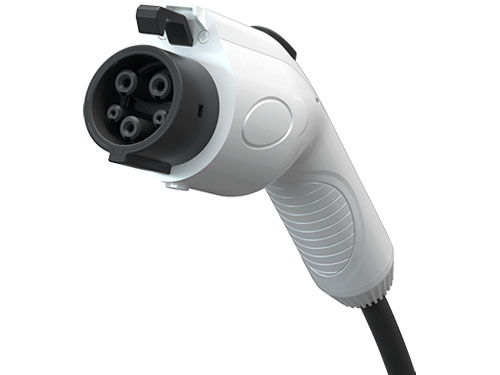
CCS (Combined Charging System)
The CCS plug is an extension of the SAE J1772 connector with two additional DC pins for fast charging. CCS is supported by many major automakers, including BMW, Volkswagen, General Motors, Ford and others. It's becoming the standard for DC fast charging in North America and Europe - so if you have a non-Tesla that supports DC fast charging, like the Kia EV6 GT, it's likely to have a CCS connector.
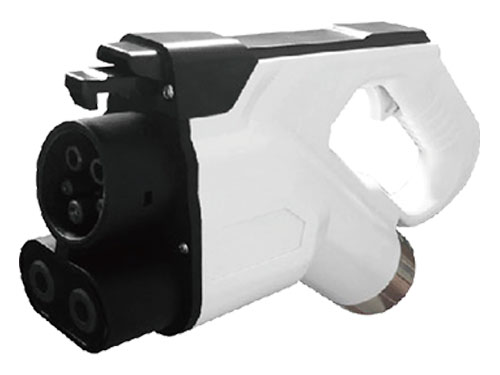
CHAdeMO
CHAdeMO is a DC fast charging standard developed in Japan and used by several automakers including Nissan, Mitsubishi and Kia. The CHAdeMO plug can quickly charge compatible electric vehicles, mainly in Japan, the United States and some European countries. It's relatively uncommon, which may discourage the few vehicles that use it, such as Mitsubishi's 2023 Outlander PHEV.
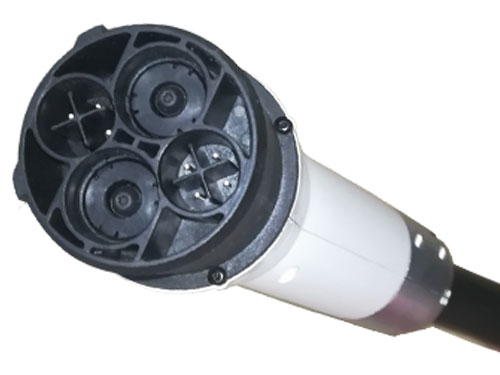
If you want to know more about "ev charger types", you can consult us online or by email (sales@hjlcharger.com).
From June 14th to 16th, The sm
The 2024 Asian Electric Vehicle Exhibition (EV Asi...
According to the spirit of the "Notice of the...
When choosing the best ev home
Ev charging station companies are mainly engaged i...
Want to know more about ev cha
How to ev charging stations wo
How fast will 50 kW charge an EV? To understand ho...
what is inside an ev charger?E
Whenever you need us, we're here for you. --- Contact us for all your support needs, from technology, general queries to information support, etc. Our hotline numbers and e-mail are open 24hx7d for your needs.
 +86 18924678741
sales@hjlcharger.com
Shenzhen City, Guangdong Province, China
+86 18924678741
sales@hjlcharger.com
Shenzhen City, Guangdong Province, China